

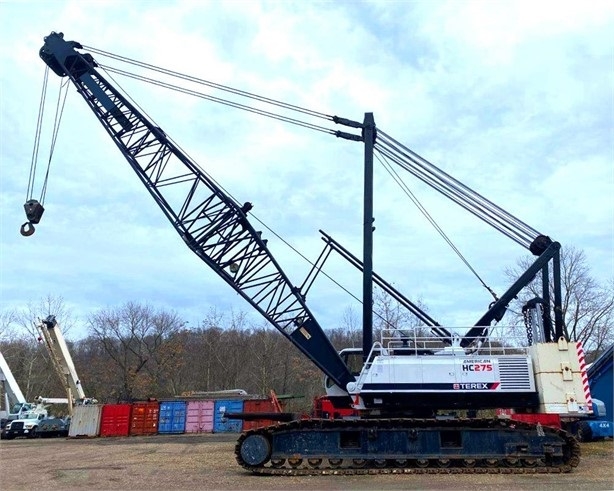
The Crucial Role of Terrex Crane Parts in Industry
Understanding the Functionality of Key Components
Terrex cranes, renowned for their versatility and robustness, are pivotal in various industries, including construction, logistics, and manufacturing. The efficiency of these cranes hinges on the performance of their individual components. Key parts such as the boom, hoist, and hydraulic systems provide the backbone of the crane’s operation, ensuring it can lift heavy loads while maintaining stability and safety.
The boom acts as the extension arm of the crane, allowing it to reach heights and distances necessary for various tasks. Depending on the crane’s model, this component can be telescopic or fixed, impacting the operational range and load capacities. The hoisting mechanism, often equipped with advanced braking systems, is integral for safely lifting and lowering heavy materials. Hydraulic components, including pumps, cylinders, and fluid reservoirs, operate the crane’s motions, providing precise control while minimizing mechanical failure risks. Understanding these functionalities is crucial for operators and maintenance teams as it directly correlates with the crane’s ability to perform under pressure and in tough environments.
How the Right Parts Enhance Efficiency and Safety
The implementation of high-quality Terrex crane parts significantly enhances both operational efficiency and safety protocols on job sites. Superior components ensure that cranes can operate at their designed load capacities without risking structural integrity or risking accidents. For example, using top-grade hydraulic systems allows for smoother, faster, and more responsive movements, minimizing the potential for operational delays.
Safety is paramount in crane operations, where human lives and substantial investments are on the line. Reliable parts contribute to predictive maintenance strategies, whereby potential failures can be identified and remedied before leading to significant issues or accidents. Genuine Terrex parts come equipped with warranties that attest to their reliability, along with manufacturer guidance that outlines best practices for usage and maintenance. Investing in authentic parts may come at a higher initial cost but translates into lower lifetime operational costs by reducing unplanned downtimes and increasing overall productivity.
Choosing Quality: What to Look for in Terrex Parts
Material Matters: The Science Behind Durable Crane Components
Selecting the right materials for Terrex crane parts is a science that encompasses both mechanical engineering and materials technology. Crane components are subjected to extreme forces, environmental stressors, and fatigue over their operational lifespan. Components such as the boom and chassis require materials like high-strength steel or various alloys that offer a balance between weight, strength, and flexibility.
Advanced material technologies, such as composite materials and high-performance elastomers, are increasingly being integrated into crane design for parts like pads and seals, which must withstand abrasion and corrosive environments. Understanding the properties of these materials and their performance under stress is vital for operators and procurers. Investing in quality means opting for parts that not only meet but exceed industry standards, ensuring that cranes can operate efficiently in demanding conditions and prolonging their lifecycle, which ultimately leads to significant savings and enhanced operational capability.
Authenticity vs. Imitation: Why Genuine Parts Make a Difference
There is a significant disparity between authentic Terrex parts and counterfeit alternatives. While imitation parts may appear appealing due to their lower price points, they can lead to unforeseen complications, ranging from compromised safety to failing components. Genuine Terrex parts are engineered with specific tolerances and materials, tested rigorously to ensure adherence to safety and performance standards.
Operators who choose genuine parts benefit from manufacturer support, including access to detailed maintenance guidelines, installation protocols, and safety notices. Furthermore, genuine parts come with the assurance that they will integrate seamlessly with existing systems, avoiding the need for costly adjustments or replacements. Ultimately, prioritizing authenticity leads to greater peace of mind, reliable performance, and long-term cost savings, completing the cycle of efficient operations.
Maintenance Secrets: Keeping Your Terrex Cranes in Peak Condition
Essential Maintenance Routines for Longevity
Maintaining Terrex cranes requires diligent attention to various aspects of their design, ensuring each component functions harmoniously. An effective maintenance routine consists of routine inspections, regular grease fittings, and replacing wear components before they fail. Daily inspections should include checks on hydraulic fluid levels, the integrity of hoses, and functionality tests of safety systems.
Implementing a schedule for comprehensive maintenance, typically every 500 operating hours, allows for a systematic evaluation of all crane components, including boom conditions, electrical systems, and overall engine performance. Additionally, keeping records of maintenance activities not only helps with tracking performance trends over time but is also essential for warranty compliance and resale value. Well-maintained cranes not only operate efficiently but are also safer to use, greatly reducing the likelihood of costly downtime or accidents due to component failure.
Common Issues and How to Troubleshoot Them
Among the myriad of potential challenges that operators might face with Terrex cranes, a few common issues frequently arise. Hydraulic system failures, such as fluid leaks or contamination, can severely impact performance and safety. To troubleshoot, operators should regularly inspect hoses, seals, and fittings to identify wear or damage. Additionally, a proactive approach to fluid management replacing hydraulic fluid and filters on a predetermined schedule will help avert larger issues.
Another common challenge involves electrical failures, particularly in control systems. Regular checks on electrical connections and battery integrity can circumvent issues that may halt crane operations. Utilizing advanced diagnostic tools can aid in pinpointing electrical faults quickly and accurately. It is vital for teams to stay educated about the latest troubleshooting techniques, as well as maintain access to technical resources and forums that provide information on emerging issues and solutions.
The Future of Terrex Crane Parts: Innovations on the Horizon
Emerging Technologies Shaping Crane Component Development
The crane industry is continuously evolving, and Terrex is at the forefront of integrating emerging technologies into its crane systems. Innovations like IoT sensors, advanced telemetry systems, and AI-driven analytics are set to change how crane components are monitored and maintained. These technologies enable real-time data collection on performance metrics, predicting maintenance needs before breakdowns occur and optimally scheduling routine inspections.
Additionally, advanced simulation software allows for testing component designs under various stress scenarios before actual production, fostering a culture of safety and efficiency. This integration of technology serves not only to enhance operational efficiency but also to significantly improve safety protocols, aiding machines in navigating complex terrains or environments with precision that surpasses human capabilities alone. As Terrex continues to innovate, the design and functionality of parts will only advance, leading the way toward greater efficiency in the industry.
Sustainability in Crane Manufacturing: What’s on the Cutting Edge?
Sustainability is becoming a significant focus in manufacturing, and Terrex cranes are no exception. Pressure is building from regulatory frameworks and environmental considerations, urging manufacturers to consider eco-friendly materials and processes in crane production. From utilizing recycled materials in parts manufacturing to implementing energy-efficient assembly processes, the crane industry is evolving towards a greener future.
Additionally, Terrex’s commitment to sustainability goes beyond manufacturing; it extends to how cranes are designed for their end-use. Enhancements in energy efficiency, such as hybrid power solutions or electric-powered cranes, are paving the way for reduced emissions and operational costs. This approach not only appeals to environmental consciousness but also positions Terrex cranes as leaders in sustainability, appealing to clients who operate under stringent corporate social responsibility (CSR) mandates. As these innovative practices continue to materialize, they underscore the transformative potential of adopting sustainable strategies within the construction and heavy machinery sectors.