

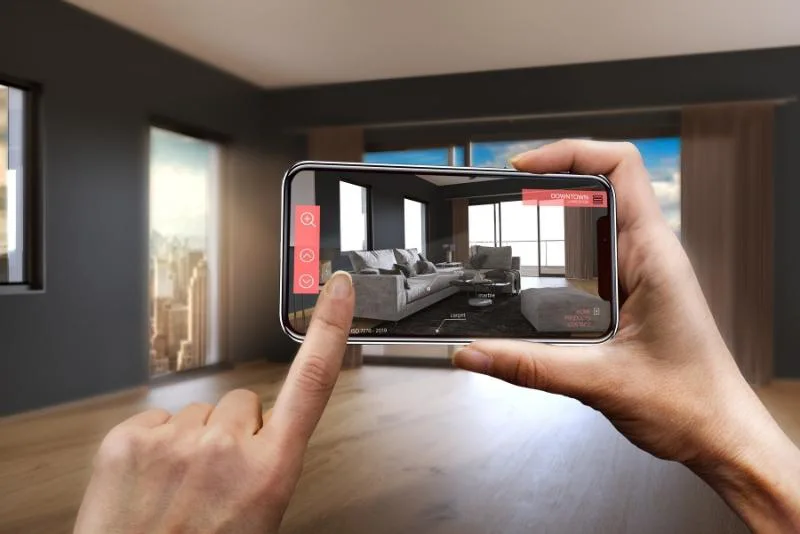
Augmented Reality (AR) is revolutionizing how brands connect with consumers, transforming static advertisements into interactive and immersive experiences. As digital engagement evolves, AR has become a critical tool for marketers aiming to capture attention and drive emotional connection. The integration of Augmented Reality in advertising not only bridges the gap between physical and digital worlds but also reshapes how audiences perceive and interact with brand messages. This technology allows consumers to visualize products in real-life contexts, deepening engagement and boosting conversion rates.
The Evolution of Augmented Reality in Advertising
AR first appeared in niche gaming and tech industries, but it quickly gained traction in marketing as smartphone technology advanced. With the widespread use of high-quality cameras, 5G connectivity, and advanced sensors, brands now use AR to create deeply engaging advertisements that go beyond traditional visuals. The evolution of AR advertising reflects a shift from passive viewing to active participation, where users can interact with content, explore products virtually, and make informed decisions through immersive experiences. As AR technology continues to improve, its integration into advertising strategies becomes more seamless and accessible.
Understanding the Core Functionality of AR in Marketing
Augmented Reality overlays digital elements onto the real-world environment through devices such as smartphones, tablets, or AR glasses. In advertising, this functionality allows users to interact with virtual objects in physical spaces, transforming ordinary moments into brand experiences. For example, a customer might point their smartphone at a product package and instantly view a 3D animation that explains its features. This level of interaction not only captures attention but also enhances memory retention, helping brands build stronger associations with their audience.
Unlike traditional static ads, AR experiences rely on sensory engagement—visual, auditory, and sometimes even haptic. This multi-sensory interaction triggers higher emotional responses and encourages deeper brand immersion, ultimately influencing purchasing behavior.
Enhancing Consumer Engagement Through Immersive Experiences
One of the most significant advantages of AR in advertising is its ability to create personalized, memorable experiences. Consumers no longer want to be passive recipients of ads; they prefer to interact, explore, and feel part of the story. AR provides this opportunity by enabling real-time interaction with brand content.
How AR Improves Engagement
- Interactive Product Visualization: Consumers can view products from every angle, customize features, or even see how they fit into their environment before purchasing.
- Gamified Brand Experiences: AR allows advertisers to integrate entertainment with marketing, making users more likely to share and engage.
- Emotional Storytelling: Through immersive narratives, AR can evoke emotions that strengthen brand recall and loyalty.
- Social Media Integration: AR filters and lenses encourage user-generated content, expanding brand visibility organically.
This level of interactivity transforms the traditional marketing funnel. Instead of being persuaded through repetitive exposure, consumers engage directly with the brand and form emotional connections that influence their purchasing decisions.
How AR Personalizes Advertising
Personalization is a major driver of modern marketing success, and AR takes it to a new dimension. Instead of generalized campaigns, AR experiences can adapt based on user data, location, and behavior. For instance, an AR ad might display different messages depending on whether a user is at home, in-store, or outdoors.
By integrating analytics and machine learning, brands can design AR campaigns that adjust in real time. This ensures each user sees content that aligns with their interests, preferences, and purchasing stage. Personalized AR not only enhances engagement but also improves conversion rates by delivering highly relevant experiences that feel unique to each user.
The Psychological Impact of Augmented Reality in Advertising
Augmented Reality influences consumer psychology by enhancing sensory stimulation and emotional involvement. When users interact with AR elements, they feel a sense of ownership and control over the experience. This autonomy builds trust and makes the interaction feel less like an advertisement and more like exploration.
Furthermore, AR taps into the psychological principle of embodiment—when users see virtual objects integrated into their real environment, their brain perceives them as tangible. This effect increases perceived product value and reduces hesitation toward purchase. Brands that leverage these psychological triggers often find their AR campaigns yield higher engagement and stronger brand loyalty.
Integration of AR with Other Digital Marketing Channels
Augmented Reality doesn’t exist in isolation; it amplifies the effectiveness of existing marketing channels. When integrated strategically, AR enhances the impact of social media, email marketing, and e-commerce.
AR and Social Media Marketing
Platforms like Instagram, Snapchat, and TikTok have embraced AR technology, allowing brands to launch interactive filters and branded lenses. These features encourage users to co-create content, turning them into ambassadors who share authentic brand experiences with their followers.
AR in E-commerce
Online shopping often lacks the tactile experience of in-store browsing. AR bridges this gap by allowing shoppers to visualize products in their actual surroundings—furniture in their living room, makeup on their skin tone, or clothing on their body shape. This reduces uncertainty and returns, creating a smoother customer journey.
AR and Out-of-Home Advertising
Traditional billboards and posters are being reimagined through AR. When scanned with a smartphone, static images can transform into dynamic 3D visuals or interactive stories. This hybrid approach merges physical and digital marketing, providing a memorable experience for passersby.
Real-World Applications of AR in Advertising Campaigns
Numerous industries have embraced AR to elevate their marketing strategies. While approaches differ, they all share the goal of offering deeper engagement and emotional connection.
- Retail: AR helps customers try products virtually before purchasing, enhancing confidence and satisfaction.
- Automotive: Brands use AR to let potential buyers explore vehicle interiors, features, and customizations from their phones.
- Tourism: AR ads allow users to preview destinations or landmarks interactively, inspiring travel interest.
- Real Estate: Prospective buyers can view 3D property walkthroughs, gaining insight into space and design before physical visits.
- Entertainment: Movie studios and streaming platforms use AR to promote releases through interactive posters and filters.
These examples highlight AR’s adaptability across industries, proving its effectiveness in improving engagement and conversion rates.
Measuring the Success of AR Advertising Campaigns
One of AR’s strengths lies in its measurability. Every interaction provides valuable insights into consumer behavior. Marketers can track metrics such as dwell time, interaction rate, conversion paths, and re-engagement frequency. Unlike traditional advertising, which relies on estimated impressions, AR delivers concrete behavioral data.
Using analytics tools, brands can evaluate which elements of an AR experience generate the most engagement and refine future campaigns accordingly. Data-driven insights enable continuous optimization, ensuring AR investments yield measurable returns.
Overcoming Challenges in AR Advertising
While AR offers immense potential, it also presents challenges that advertisers must navigate thoughtfully. Technical limitations, budget constraints, and user accessibility can influence success.
- Device Compatibility: AR experiences must function smoothly across various devices and operating systems.
- Development Costs: Creating high-quality AR experiences can be resource-intensive, requiring collaboration between designers, developers, and marketers.
- User Education: Not all consumers are familiar with AR. Clear instructions and intuitive interfaces are essential for adoption.
- Privacy and Data Security: As AR personalization grows, brands must ensure data is collected and stored responsibly to maintain user trust.
By addressing these challenges proactively, brands can ensure a seamless experience that aligns with consumer expectations and technological trends.
The Future of Augmented Reality in Advertising
The future of AR in advertising points toward deeper integration with artificial intelligence and spatial computing. As AR glasses and wearable devices become mainstream, ads will move beyond smartphones into truly immersive environments.
AI will play a crucial role in optimizing these experiences by analyzing user behavior and adapting narratives dynamically. This combination will enable storytelling that evolves in real time, offering each consumer a personalized journey based on their emotions, context, and preferences.
Moreover, 5G technology will enhance AR performance, allowing for faster load times, real-time interactions, and higher-quality visuals. Brands that adopt AR early will benefit from stronger brand differentiation and long-term loyalty in an increasingly competitive digital landscape.
How Brands Can Get Started with AR Advertising
Businesses looking to embrace AR should start with clear objectives and strategic planning. The goal is not to use AR for novelty but to create meaningful interactions that enhance brand storytelling.
Steps for Implementation
- Identify the Purpose: Define what the AR experience should achieve—brand awareness, sales conversion, or engagement.
- Understand the Audience: Analyze consumer preferences and technological readiness to design relevant content.
- Collaborate with Experts: Work with AR developers and creative teams to ensure high-quality design and performance.
- Test and Optimize: Launch pilot campaigns, gather feedback, and refine based on data insights.
- Integrate Across Channels: Extend AR experiences into broader marketing ecosystems, including social media, websites, and mobile apps.
These steps help ensure that AR campaigns deliver meaningful impact rather than short-lived novelty.
FAQ
What makes AR advertising more effective than traditional formats?
AR advertising allows consumers to engage directly with digital content in real-world settings, making it more interactive, memorable, and emotionally impactful compared to static or video ads.
Do small businesses benefit from using Augmented Reality?
Yes. AR is no longer limited to large corporations. With accessible AR development platforms, small businesses can create affordable experiences to showcase their products creatively.
Can AR be integrated with influencer marketing?
Absolutely. Influencers can use branded AR filters or interactive campaigns to engage followers, making endorsements more dynamic and shareable.
What industries are leading in AR advertising adoption?
Retail, automotive, fashion, and real estate are among the leaders, leveraging AR to offer personalized, immersive product experiences.
Will AR replace traditional advertising entirely?
Not completely. Instead, AR will complement traditional formats by adding interactivity and personalization, creating a more holistic advertising ecosystem.
As technology continues to advance, Augmented Reality in advertising will shape how brands communicate, engage, and build relationships with consumers—ushering in a future where marketing feels less like persuasion and more like participation.