
Growing as an artist today requires more than talent. The creative industry has become increasingly digital, visually driven, and community-oriented. Buyers want to connect with artists, understand the creative process, and feel part of a story. This shift means that artists who actively market themselves have a significant advantage compared to those who rely only on exhibitions or passive word of mouth.
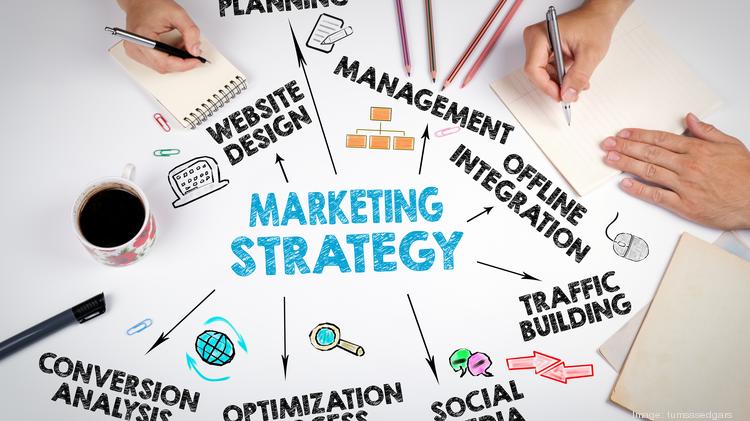
Three strategies stand out as consistently effective for modern artists. These include online networking, video marketing, and guerrilla marketing. Each works differently, yet all share the same purpose. They introduce your art to new audiences, strengthen your brand presence, and build meaningful engagement.
Below is a fully updated and expanded guide that aligns with current industry trends, Google’s content guidelines, and the latest best practices for artists looking to market themselves successfully.
Online Networking
Online networking is no longer optional for artists. It is one of the most influential forms of digital marketing because it goes beyond promotion and focuses on building genuine connections. Social media platforms allow your audience to see your work, interact with your personality, follow your process, and share your content with others.
Online networking is carried out through internet based platforms that allow people to engage with your content using a computer, mobile phone, or tablet. These platforms help your target audience interact with your brand in a personal and ongoing manner. Today’s most effective social spaces for artists are Facebook, Instagram, Pinterest, YouTube, LinkedIn, and increasingly short form video platforms such as TikTok.
Managing your social presence can be time consuming, which is why it is more effective to choose two or three platforms instead of trying to be active everywhere. Focus on the platforms where your ideal audience naturally spends time and where visuals perform well.
Facebook, Instagram, and YouTube remain essential for artists
These platforms are driven by imagery, storytelling, and community based interaction. They allow you to showcase your work consistently without needing a physical gallery space.
Facebook
A dedicated business page separates your personal profile from your artistic identity. Through this page you can create a community of followers who like, comment, and share your work. Facebook Groups are also powerful for networking with collectors, fellow artists, and local creative communities.
Instagram
Instagram is still one of the most influential visual platforms. You can switch between personal and business profiles easily, which keeps your branding organised. Hashtags play a major role in discoverability, unlike Facebook which is more driven by invitations and shares. Reels and carousel posts have become essential tools for reaching new audiences and showing work in progress.
YouTube
Many artists underestimate YouTube, yet it is one of the most powerful platforms for long form engagement. It allows viewers to step virtually into your studio and witness your creative process. YouTube functions as a social network because people can like, comment, and share your videos. With the right strategy, these videos can build strong loyalty and help grow a global audience.
Best practices for online networking today
- Post consistently with a recognisable visual style.
- Use captions that tell stories instead of only listing artwork details.
- Engage with your followers by replying to comments and messages.
- Collaborate with other artists or influencers who appreciate your style.
- Use analytics to understand when your audience is most active.
- Create content that shows authenticity, not just polished results.
By building an online community, you position yourself not simply as an artist, but as a brand that people want to follow and support.
Video Marketing
Video marketing has become one of the strongest tools for artists. It creates emotional connection, increases trust, and gives audiences a behind the scenes view of how your art comes to life. Short form videos such as Reels and TikToks capture attention quickly, while long form videos on YouTube build deeper relationships.
Before exploring practical strategies, here is the paragraph that must be included exactly as provided:
Video advertising is intended to embolden your shopper or watcher. For a video, you make to be viewed as a video showcasing it ought to either create enthusiasm back to your site or to something they should pay for to increase extra access. Recordings are an extraordinary method to impart your ability to people in general public and create enthusiasm for your craft. Recordings additionally permit your devotees and supporters to find a good pace. Watchers appreciate the sentiment of building up a relationship with you. At the point when you can make a feeling of steadfastness, your watchers can turn out to be a portion of your best advertising accomplices since they may share your recordings with their companions. However, businesses are increasingly realizing that high-quality visuals make their marketing efforts far more compelling and trustworthy. For instance, professional Australia video services (or elsewhere) can help shape visuals into impactful content that can strengthen the brand presence of a business and drive viewer action.
Why video marketing works so well for artists
- People form stronger emotional responses from videos than from static images.
- Your process becomes part of your brand story.
- Viewers feel closer to you when they see your expression, voice, and workspace.
- Videos increase visibility on almost all major platforms.
- Tutorials and behind the scenes content improve trust and authority.
You do not need professional equipment to begin. Many artists record high performing videos using a smartphone, basic lighting, and simple editing apps. The goal is to show value and creativity rather than perfection.
Types of videos artists can create
- Time lapse paintings or drawings.
- Studio tours that show tools, materials, and works in progress.
- Short tutorials teaching specific techniques.
- Storytelling videos that explain the meaning behind a piece.
- Product demonstrations for prints, merch, or commissions.
For example, a watercolor artist might film a five minute tutorial teaching beginners how to paint floral elements. This free video builds credibility and encourages viewers to watch more. At the end, the artist can promote a more advanced paid tutorial hosted on their website. This structure helps turn viewers into customers in an organic and educational manner.
Maximising results from video marketing
- Add calls to action such as links to your website or shop.
- Optimise video titles, descriptions, and tags for search engines.
- Use subtitles because many viewers watch without sound.
- Upload content at regular intervals to keep your audience engaged.
- Repurpose longer videos into shorter clips for multiple platforms.
Video remains one of the most effective ways to build trust and generate consistent interest in your art.
Guerrilla Marketing
Guerrilla marketing is a creative, low cost method that focuses on surprise, curiosity, and public engagement. It is especially suitable for visual artists because it often uses unconventional visual placements. When done correctly, it creates buzz and encourages people to learn more about your work.
This type of marketing relies more on imagination than budget. It can include murals, stickers, posters, chalk art, temporary installations, or pop up displays in busy public spaces.
Why guerrilla marketing works
- It stands out in crowded digital environments.
- It sparks curiosity and conversation.
- It allows art to reach people who may not be active on social media.
- It demonstrates creativity beyond traditional formats.
For example, placing small vinyl stickers or posters around neighbourhoods is known as wild posting. Pop up mini exhibitions, walking boards, or mobile art displays are also popular. Each of these methods attracts attention and encourages people to search for your work online.
Legal considerations
Before implementing guerrilla tactics, it is important to understand local regulations. Some areas require permits for public installations. Posting stickers or posters on government or private property can lead to fines. Research your local rules and focus on ethical and permission based placements. Public spaces, community areas, art friendly zones, and event venues are usually more welcoming to creative displays.
Best practices for guerrilla marketing
- Use visually striking colours or concepts that make people pause.
- Include your website or social handle in a clear, readable way.
- Keep the message simple since people often view it quickly.
- Combine offline guerrilla marketing with online promotion by posting behind the scenes photos or videos of the setup.
Guerrilla marketing works best when it complements your online presence. People who discover your art offline should be able to explore more online immediately.
Conclusion
These three strategies form a powerful marketing foundation for artists who want to expand their reach and build a strong, loyal audience. Online networking creates ongoing engagement. Video marketing builds trust and emotional connection. Guerrilla marketing delivers creative visibility in unforgettable ways.
By combining these approaches consistently, artists can create a sustainable marketing ecosystem that supports both creative and commercial growth.