

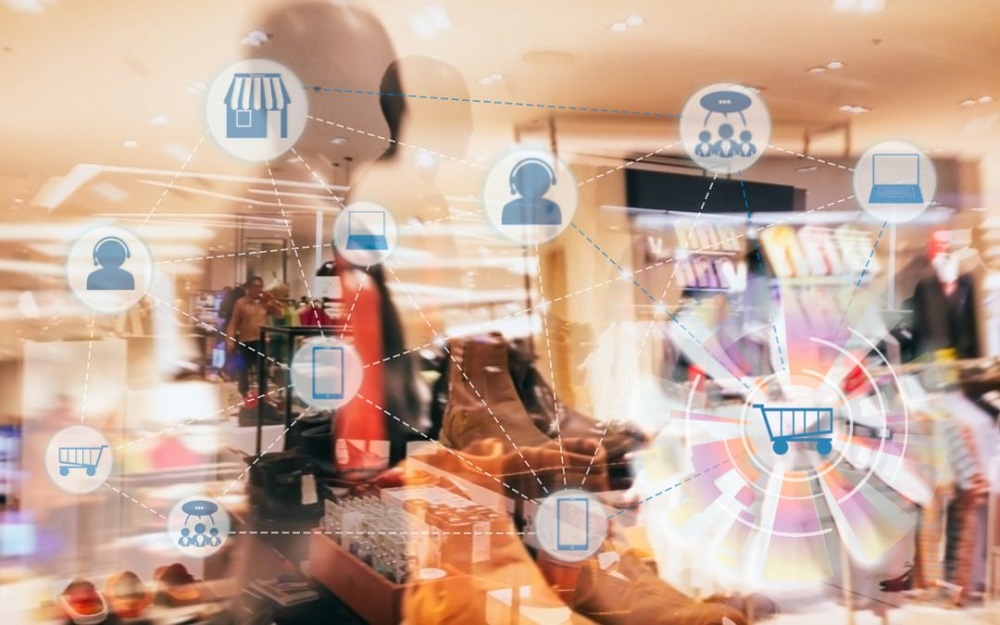
For generations, marketing operated largely on a broadcast model. Brands designed persuasive messages, purchased advertising space across mass media channels, and pushed their product narratives outward toward broad demographics. The objective was simple: maximize reach and repetition until brand recall translated into sales at the checkout counter.
That linear approach is now fundamentally broken. Modern consumers do not simply watch advertisements; they interact, critique, bypass, and co-create brand narratives in real time. The digital ecosystem is crowded with thousands of promotional messages competing for a finite amount of human attention. Consumers have grown adept at tuning out generic sales pitches, using ad blockers, skipping video promotions, and ignoring promotional email blasts.
Customer engagement is shifting from transactional promotion to continuous, contextual dialogue. Modern marketing is no longer about shouting the loudest in a crowded room. It is about listening carefully, interpreting intent, delivering utility, and building durable relationships founded on trust, relevance, and shared values. As technology, data ethics, and consumer expectations evolve together, organizations must fundamentally rethink how they attract, serve, and retain their audiences.
Moving from Reactive Personalization to Predictive Anticipation
Early attempts at digital personalization were rudimentary. Marketers inserted a recipient first name into an email subject line or displayed product recommendations based strictly on items viewed five minutes prior. While novel at the time, consumers today find these basic techniques unremarkable or even irritating when misapplied.
The future of engagement centers on predictive anticipation, where intelligent systems analyze real-time context to meet customer needs before those needs are explicitly articulated.
-
Contextual Intent Mapping: Instead of relying solely on static demographic data, modern engines evaluate situational signals such as time of day, active physical environment, browsing velocity, and recent support interactions to deduce what a customer seeks in the moment.
-
Proactive Service as Marketing: Engagement increasingly blurs the line between traditional marketing and customer support. Delivering helpful troubleshooting tips, maintenance schedules, or replenishment alerts before a problem arises builds far more brand equity than an aggressive promotional campaign.
-
Dynamic Journey Orchestration: Customer journeys are no longer linear paths through an artificial funnel. Modern frameworks adapt dynamically, changing content, pacing, and channel touchpoints based on how the individual interacts across web, mobile, and in-person environments.
Predictive engagement honors consumer time. When an organization anticipates a customer need accurately, marketing ceases to feel like an intrusion and begins to feel like a valuable service.
The Privacy Imperative and the Rise of Zero-Party Data
For over a decade, digital marketing relied heavily on passive, behind-the-scenes surveillance. Third-party tracking cookies, device identifiers, and cross-platform data brokers tracked users across the web to build intricate behavioral profiles without explicit, informed consent.
That era is drawing to a permanent close. Regulatory frameworks worldwide continue to tighten, major technology platforms have restricted third-party data collection, and consumers are far more protective of their personal digital footprints.
To build meaningful engagement, companies must abandon covert data collection in favor of radical transparency and zero-party data strategies.
-
Explicit Value Exchanges: Zero-party data is information that a consumer intentionally and proactively shares with a brand. Customers willingly share preferences, personal goals, and aesthetic choices when they receive an immediate, tangible benefit in return, such as tailored product formulations or exclusive educational resources.
-
Interactive Diagnostic Experiences: Brands are replacing standard lead-capture forms with interactive quizzes, style assessments, and operational calculators that solve immediate problems for users while gathering rich, accurate preference data.
-
Consent-Driven Communication Channels: Reaching consumers via high-attention channels like text messaging or mobile push notifications requires ongoing respect. Providing clear opt-in controls, granular preference centers, and effortless unsubscribe options reinforces brand trustworthiness.
Sustainable engagement cannot be built on corporate secrecy. When businesses treat user data with respect and transparency, consumers reward them with deeper loyalty and richer insights.
The Power of Conversational Commerce and Real-Time Interaction
Modern communication habits have shifted permanently toward messaging platforms. People communicate with friends, family, and colleagues through rapid text exchanges, voice notes, and direct messages. They expect the exact same conversational ease when interacting with commercial enterprises.
Marketing is shedding formal corporate speak in favor of dynamic, two-way conversations that take place across the consumer preferred channels.
-
Intelligent Conversational Assistants: Modern conversational agents possess the contextual memory and semantic understanding required to answer complex questions, recommend specific items, and resolve purchasing doubts within a chat window.
-
Unified Communication Streams: Consumers do not think in departmental terms. A user may ask a product question on social media, complete a checkout via an SMS link, and check delivery status through an email thread. Next-generation engagement platforms synthesize these disparate channels into a single, cohesive conversational history.
-
Human-in-the-Loop Escalation: While automated tools handle routine inquiries efficiently, high-value engagement systems detect emotional frustration or complex queries instantly, handing the conversation over to knowledgeable human specialists without forcing the customer to repeat their issue.
Transforming static transactions into continuous conversations makes organizations accessible, responsive, and easy to do business with around the clock.
Immersive Brand Storytelling and Experiential Spaces
As digital interactions become increasingly efficient, they also risk becoming sterile and forgettable. Purchasing an item with a single tap is convenient, but convenience alone rarely creates emotional attachment.
To stand out in an economy of automated efficiency, brands are investing heavily in immersive storytelling and rich experiences that engage multiple senses.
-
Spatial and Augmented Touchpoints: Augmented reality tools allow consumers to visualize home decor in their living rooms, preview how apparel fits their frame, or explore three-dimensional interactive schematics of technical hardware, bridging the gap between digital convenience and tactile confidence.
-
Community-Centric Physical Hubs: Brick-and-mortar storefronts are shifting away from functioning merely as product storage warehouses. Leading retailers use physical spaces to host community workshops, expert panel discussions, and collaborative product testing labs where brand values come alive.
-
Interactive Digital Media: From interactive video streams where viewers direct the narrative to virtual workshops hosted by subject-matter experts, experiential media turns passive observers into active participants.
Memorable experiences evoke positive emotions, and emotion remains the primary driver of long-term brand affinity and advocacy.
Aligning Brand Values with Cultural Authenticity
The modern consumer, particularly within younger demographics, views purchasing decisions through an ethical lens. Buying a product is no longer seen simply as a private transaction; it is an active endorsement of the company supply chain, labor standards, and environmental practices.
Consumers possess little patience for performative marketing. Superficial campaigns that jump onto social trends or proclaim ethical commitments without operational follow-up are quickly identified and called out publicly.
-
Demonstrated Accountability Over Slogans: Authentic engagement requires companies to show, rather than tell. Publishing verified carbon accounting data, third-party labor audit results, and supply chain mapping communicates integrity far more effectively than polished advertising platitudes.
-
Consistency Across Touchpoints: An organization cannot market sustainability while utilizing excessive, non-recyclable packaging, nor can it promote workplace wellness while treating customer support staff poorly. Alignment between internal actions and external marketing is essential.
-
Long-Term Societal Commitments: Enduring brands align their philanthropic and community initiatives with their core competencies, committing capital, resources, and advocacy to focused causes over years rather than chasing ephemeral news cycles.
When a brand stands firmly for principles that resonate with its audience, engagement deepens into a shared sense of identity and purpose.
Measuring Engagement Through Value-Based Metrics
For years, marketing success was evaluated using superficial vanity metrics. Click-through rates, gross impressions, page views, and social media follower counts dominated executive reporting dashboards. While these numbers look impressive in quarterly reviews, they often have little connection to bottom-line profitability, customer satisfaction, or corporate longevity.
The future of customer engagement requires measuring indicators of genuine human connection and long-term economic value:
-
Customer Lifetime Value to CAC Ratio: Evaluating how much ongoing revenue a customer generates over years relative to the initial cost of acquiring them reveals whether engagement efforts build durable loyalty or temporary churn.
-
Organic Advocacy and Referral Velocity: Tracking how often existing buyers spontaneously recommend the brand to peers highlights the true emotional strength of the customer experience.
-
Repeat Engagement and Retention Rates: Measuring continuous product usage, community participation, and subscription renewals demonstrates that the organization delivers ongoing value well past the initial purchase.
-
Net Sentiment and Resolution Speed: Auditing unstructured customer feedback, community forum discussions, and support ticket sentiment metrics provides an accurate pulse on overall relationship health.
Focusing on value-based metrics encourages teams to invest in building lasting customer relationships rather than optimizing for short-term transactional spikes.
The Path Forward for Modern Marketers
Customer engagement is no longer a localized marketing initiative; it is the defining core of enterprise strategy. The companies that thrive in the coming decades will not be those with the largest advertising budgets, but those that demonstrate the greatest empathy, responsiveness, and integrity.
By moving past intrusive surveillance, adopting predictive intelligence, creating conversational experiences, and delivering tangible value at every stage of the relationship, modern organizations can build genuine trust. In a distracted world, authentic trust remains the only true foundation for sustainable commercial growth.
Frequently Asked Questions
What is the foundational difference between customer engagement and customer experience?
Customer experience encompasses the sum of all perceptions, interactions, and ease-of-use touchpoints a person has with a brand across their journey. Customer engagement is the ongoing, two-way interaction and emotional connection that emerges from those experiences, reflected in how actively the customer communicates, participates, and advocates for the company over time.
How can brands engage customers effectively without overwhelming them with messages?
Organizations must implement strict cadence controls, smart frequency capping, and centralized communication preference centers. Instead of broadcasting high-volume batch messages, brands should prioritize behavior-triggered communications that send relevant information only when an explicit user action indicates immediate contextual relevance.
What practical steps can a traditional business take to begin collecting zero-party data?
A company can start by auditing its customer onboarding flow and replacing generic sign-up forms with a short, engaging onboarding quiz. By offering immediate value, such as tailored product recommendations, specialized learning resources, or personalized account settings, the company encourages users to share their specific preferences and goals voluntarily.
Why is community building becoming a central pillar of modern engagement strategies?
Communities allow brands to facilitate connections among customers who share mutual passions, lifestyles, or professional challenges. When users interact with one another around shared interests, brand loyalty deepens naturally, peer-to-peer customer support emerges organically, and the organization gains continuous, unfiltered qualitative feedback for future product design.
How does artificial intelligence help human customer support teams improve engagement?
Artificial intelligence handles routine, high-volume transactional inquiries, drafts initial responses, and summarizes lengthy customer histories instantly. This automation removes administrative burdens from human team members, allowing them to dedicate their time and emotional energy to resolving high-stakes disputes, providing empathetic counsel, and navigating complex relationship challenges that software cannot solve.
Can business-to-business companies use consumer-style engagement strategies effectively?
Yes, business buyers are human consumers in their personal lives and expect the same speed, intuitive digital interfaces, transparent pricing, and personalized communication in their professional roles. Implementing frictionless digital ordering, responsive messaging channels, and tailored educational content consistently drives high retention and contract expansions in B2B environments.
What is the role of micro-moments in shaping modern customer engagement?
Micro-moments are intent-rich instances when an individual turns reflexively to a device to learn something, do something, discover something, or buy something. Brands that succeed in modern engagement optimize their digital content to deliver clear, instantaneous, and frictionless answers during these split-second moments, establishing credibility right when user purchase intent is highest.