

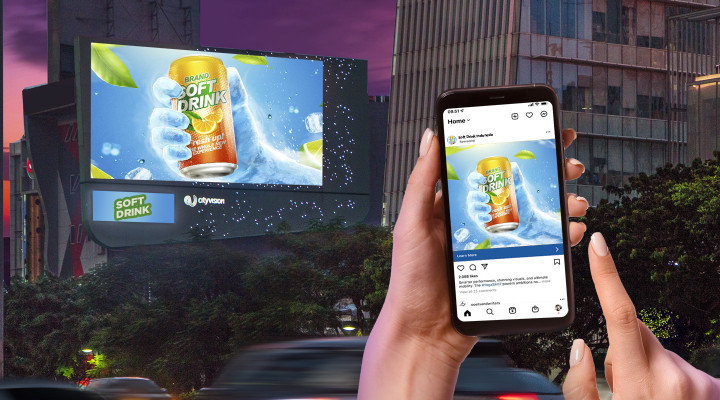
Smartphones have evolved from simple communication gadgets into intimate personal extensions of daily life. The modern consumer wakes up to a mobile alarm, checks schedules, reads headlines, communicates with family, and makes retail purchases through a handheld glass screen. With people checking their devices dozens or hundreds of times each day, the pocket-sized screen has become the most valuable real estate in global commerce.
This technological ubiquity has fundamentally reshaped how brands engage with their audiences. Traditional print billboards, static print spreads, and linear television spots no longer command undivided attention. Instead, mobile advertising now absorbs the lion’s share of worldwide digital marketing budgets.
The power of mobile marketing extends far beyond its sheer volume. By combining continuous internet connectivity, real-time geolocation sensors, behavioral profiling, and interactive touch controls, mobile advertising exerts a profound psychological and economic pull on contemporary shoppers. It influences what people buy, how they discover emerging products, and how they navigate everyday purchase decisions.
The Shift Toward Mobile-Centric Consumer Journeys
In traditional commerce, the journey from product discovery to transaction was fragmented and prolonged. A consumer might watch a television advertisement in the evening, recall the brand name days later while visiting a brick-and-mortar store, and deliberate in front of a retail shelf before completing a purchase.
Mobile advertising compresses this extended cycle into an immediate, unified workflow. Discovery, consideration, evaluation, and transaction now take place inside a single operating system, often within seconds:
-
Instant Gratification Mechanisms: Embedded call-to-action buttons allow users to transition from browsing a social video to purchasing a featured garment in three taps, eliminating the drop-off typical of multi-step buying journeys.
-
Frictionless Mobile Checkouts: Digital wallets and saved biometric payment credentials eliminate the tedious manual entry of credit card digits, lowering psychological resistance to impulse spending.
-
On-Demand Price Comparison: Even while standing in physical retail aisles, shoppers consult mobile browsers and targeted coupon ads to evaluate competing offers before heading to the cash register.
-
Continuous Product Discovery: Curated feeds replace intentional searches. Consumers no longer need to know what they are looking for; predictive algorithms present novel products aligned with their subconscious preferences.
This structural collapse of the traditional sales funnel makes consumer purchasing behavior far more spontaneous and responsive to promotional stimulus.
The Power of Algorithmic Personalization and Micro-Targeting
The unmatched effectiveness of mobile advertising stems from data-driven precision. Unlike mass media, which broadcasts an identical message to a broad demographic cross-section, mobile ad platforms leverage rich telemetry data generated by smartphone sensors, mobile app permissions, and browsing history.
This programmatic intelligence enables advertisers to construct hyper-relevant promotional campaigns that speak directly to an individual’s immediate needs and lifestyle context.
Contextual Relevance and Intent
Advanced programmatic ad exchanges analyze immediate behavioral signals rather than relying solely on static demographic data. If a user browses running shoe reviews on a mobile web browser, fitness tracking apps and casual gaming platforms immediately populate with targeted promotions for performance footwear, hydration gear, and marathon training plans. Because the promotion directly answers an active interest, consumers view the ad as helpful assistance rather than disruptive spam.
Geolocation and Proximity Marketing
Smartphones travel everywhere with their owners, providing continuous location awareness. Marketers use geofencing technologies to establish invisible digital perimeters around physical retail locations, competitor storefronts, and entertainment venues.
When a consumer crosses these virtual thresholds, proximity ads trigger on their device:
-
Push notifications offering a limited-time lunch discount when walking past a neighborhood café.
-
In-app banner ads displaying exclusive incentives when browsing inside a competing electronics store.
-
Navigational map advertisements highlighting nearby parking garages or retail outlets during travel.
By delivering relevant commercial incentives at the precise physical moment of decision-making, location-based mobile advertising influences foot traffic and local sales velocity.
Interactive Formats: From Passive Viewing to Active Engagement
Early mobile promotions suffered from poor technical execution. Clumsy banner ads blocked tiny smartphone screens, prompted accidental clicks, and irritated users. Modern mobile ad tech has moved past static display banners in favor of immersive, interactive formats engineered specifically for touchscreens.
These rich media formats capture consumer attention and stimulate cognitive engagement:
-
Short-Form Vertical Video: Platforms like TikTok, Instagram Reels, and YouTube Shorts normalize full-screen, vertical storytelling. These dynamic clips integrate naturally into the user’s entertainment flow, delivering high-impact brand messages that mimic genuine user-generated content.
-
Playable and Gamified Ads: In mobile gaming environments, interactive ads allow consumers to test-drive basic game mechanics or participate in quick interactive quizzes before installing an application, creating higher conversion intent.
-
Augmented Reality Previews: Augmented reality ads use the smartphone camera to overlay digital products into the consumer’s living space. Shoppers can preview how a sofa looks in their living room or virtually try on cosmetics and eyewear, removing uncertainty before completing an online order.
-
Shoppable Interactive Stories: Tap-to-expand interactive overlays invite consumers to explore product catalogs, review customer ratings, and pick specific color variations without ever navigating away from their active app session.
By shifting the consumer’s role from a passive spectator to an active participant, interactive mobile formats build deeper brand recall and stronger purchase desire.
The Rise of Conversational Commerce and Direct Messaging
Modern consumers increasingly prefer direct, conversational communication over static corporate email blasts. Mobile advertising has expanded deep into personal messaging channels, including short message services, native chat apps, and social direct message threads.
Text-based marketing delivers open rates and immediate engagement that legacy email channels cannot match:
-
Real-Time Abandoned Cart Alerts: Automated SMS reminders alert shoppers when items remain in their digital checkout cart, offering a one-click link to finish the order.
-
Bespoke VIP Offers: Brands invite active customers to join exclusive text clubs, providing early access to product launches, seasonal flash sales, and tailored inventory clearances.
-
Two-Way Conversational Support: Automated messaging bots answer sizing questions, verify delivery windows, and recommend complementary products in real time, serving as virtual personal shoppers directly within chat windows.
Because messaging inboxes are traditionally reserved for friends, family, and urgent alerts, promotional text messages command high cognitive priority, driving rapid conversion among opt-in audiences.
Social Proof, Influencer Integration, and Native Feed Blending
The modern consumer relies heavily on peer validation. Mobile screens act as the primary distribution channel for influencer marketing and user-generated content campaigns.
Traditional polished studio ads often bounce off skeptical younger demographics. In contrast, authentic, handheld video testimonials recorded on personal smartphones create an immediate sense of social proof:
-
Seamless Feed Integration: Native sponsored posts mimic the look, lighting, and informal tone of organic social posts, allowing marketing messages to bypass consumers’ conscious ad-filtering defenses.
-
The Power of Relatable Endorsements: When an influencer or micro-creator demonstrates how a skincare serum cleared their complexion or how a kitchen gadget simplified meal preparation, viewers perceive the message as a trusted recommendation rather than corporate promotion.
-
Community Validation Through Comments: Shoppers actively review public comment sections beneath sponsored mobile posts to check real customer feedback, verify product quality, and judge brand responsiveness before trusting the purchase link.
This blend of casual aesthetics, creator advocacy, and public community dialogue makes mobile advertising a central driver of contemporary cultural and lifestyle trends.
Consumer Challenges: Ad Fatigue, Privacy Concerns, and Regulatory Shifts
While the influence of mobile advertising continues to expand, it faces growing friction from consumers who feel overwhelmed by commercial intrusion and protective of their personal privacy.
The very attributes that make mobile ads so potent, such as tracking, ubiquity, and constant proximity, can generate negative pushback when mismanaged:
-
Banner Fatigue and Intrusive Clutter: Poorly placed interstitial pop-ups that block mobile reading screens or unskippable auto-play video ads with loud audio provoke intense frustration, driving users to install mobile ad-blocking software.
-
Heightened Data Privacy Consciousness: Consumers are increasingly aware of corporate surveillance and third-party data tracking. Operating system updates that require explicit user consent for application tracking have altered the digital advertising landscape, limiting cross-app tracking and forcing marketers to build direct, first-party data relationships.
-
Compulsive and Impulse Purchasing: The combination of frictionless one-click payments and hyper-targeted ads can encourage unplanned financial expenditures, leading to buyer remorse and consumer fatigue over predatory monetization tactics.
To maintain sustainable influence, brands must balance promotional targeting with transparent data ethics, respect for personal boundaries, and genuine creative value.
The Future Trajectory of Mobile Advertising
The boundaries of mobile marketing will continue to expand alongside advances in generative artificial intelligence, wearable smart devices, and high-speed wireless infrastructure.
Dynamic creative optimization will allow ad networks to generate custom visual assets, copywriting variants, and promotional offers on the fly, tailored to the unique behavioral profile of each individual user. As smart glasses and connected ambient devices gain adoption, mobile advertising will break free from flat screens, moving into conversational spatial overlays and real-time audio guidance.
Mobile advertising has redefined modern retail, media consumption, and consumer behavior. Brands that recognize the smartphone not simply as a tiny billboard, but as an interactive, personal utility built on respect, speed, and genuine relevance, will continue to capture consumer attention in an increasingly distracted world.
Frequently Asked Questions
How does mobile advertising influence in-store retail shopping habits?
Mobile advertising bridges digital marketing and physical retail through showrooming, proximity notifications, and local inventory searches. Consumers routinely receive targeted mobile coupons while walking near physical stores, use their devices to look up competing retail prices while standing in physical aisles, and verify whether nearby brick-and-mortar storefronts have specific items in stock before visiting.
What is the functional difference between in-app advertising and mobile web advertising?
Mobile web advertising refers to banner ads, pop-ups, and sponsored links displayed while browsing websites through a mobile internet browser like Safari or Chrome. In-app advertising occurs within dedicated software applications, such as mobile games, social media apps, navigation software, or news platforms. In-app advertising typically yields higher engagement, faster loading speeds, and better tracking capabilities because apps operate within controlled software environments.
How do operating system privacy updates affect mobile advertising effectiveness?
Privacy frameworks, such as application tracking transparency prompts, require smartphone users to explicitly opt in before apps can track their activity across third-party software and external websites. This shift has limited cross-platform data harvesting, making behavioral targeting more challenging and pushing brands to rely on first-party customer data, direct SMS programs, and contextual placements.
Why do short-form vertical video ads generate higher conversion rates on smartphones?
Vertical video ads match the natural physical orientation in which consumers hold their smartphones, occupying the entire display without requiring the user to rotate their screen. This full-screen immersion eliminates peripheral visual distractions, commands complete visual and auditory attention, and blends naturally into modern social video feeds.
What role does artificial intelligence play in modern mobile advertising campaigns?
Artificial intelligence powers programmatic bidding engines that calculate optimal ad pricing and user placement in milliseconds. Additionally, machine learning algorithms analyze historical user engagement to determine the exact time of day a consumer is most likely to click an ad, optimize creative variations dynamically, and predict future purchase intent based on real-time browsing behaviors.
How can consumers minimize unwanted tracking and intrusive mobile ads on their devices?
Consumers can reduce ad tracking by toggling off personalized advertising settings within their smartphone operating system controls, revoking cross-app tracking permissions, clearing mobile browser cookies regularly, and installing mobile content blockers. Opting out of location-sharing permissions for non-essential applications also prevents advertisers from serving proximity-based advertisements.
What is cross-device attribution, and why is it important for mobile marketers?
Cross-device attribution is the analytical method of tracking a consumer who views an advertisement on one device, such as a smartphone, and later completes the final purchase on another device, such as a desktop computer, tablet, or physical store. Accurately tracking this multi-device path ensures that marketers credit the mobile ad for generating the initial awareness that led to the final transaction.